Teens & Kids

children’s dentistry: creating happy, healthy smiles!

The Importance of Early Dental Care A child’s smile is a precious thing, and maintaining their dental health is essential for their overall well-being. Early dental care plays a vital role in setting the foundation for a lifetime of healthy smiles and generally good health. In this blog, we will explore the importance of early oral health and the essential role of children’s dentistry, the significance of baby teeth, building lifelong dental habits for kids, and ways to prevent dental anxiety in kids.  Baby Teeth  Baby teeth, also known as primary teeth, may seem temporary, but they serve critical functions in a child’s oral development. These primary teeth help children chew food properly, speak clearly, and maintain proper jaw alignment. They also act as placeholders for permanent teeth, guiding them into their correct positions. Neglecting baby teeth can lead to issues such as tooth decay, infection, and misalignment, which can affect the development of permanent teeth. Therefore, it is crucial to focus on baby teeth health and schedule regular dental check-ups for early detection and prevention of any potential problems. Building Lifelong Dental Habits Instilling good dental habits at an early age sets the stage for a lifetime of good oral health. Parents play a vital role in teaching their children proper oral hygiene practices. Start by introducing a soft-bristled toothbrush and a tiny smear of fluoride toothpaste as soon as the first tooth appears. Encourage children to brush their teeth twice a day and supervise their brushing until they have the dexterity to do it effectively on their own. Regular flossing should also be incorporated into their oral hygiene routine. Additionally, promoting a healthy diet low in sugary snacks and drinks contributes to maintaining healthy teeth and gums. Making dental habits for kids a fun and interactive experience can help them develop positive associations with oral hygiene. Preventing Dental Anxiety in Kids Introducing children to the dental clinic at an early age for simple check-ups can help familiarise them with the environment and reduce anxiety. Open communication between the dentist, child, and parent is key in addressing any fears or concerns and ensuring a positive dental experience. At smilogy, we specialise in treating children’s dental needs, using child-friendly language and explaining procedures gently to make the dental experience pleasant.   Paediatric Dental Services Dental Sealants for Kids Dental sealants are a preventive measure that helps protect children’s teeth from cavities. Sealants are thin, plastic coatings applied to the chewing surfaces of the back teeth, where cavities commonly occur. These sealants act as a barrier, preventing food particles and bacteria from accumulating in the deep grooves of the teeth. By sealing off these vulnerable areas, dental sealants for children help reduce the risk of tooth decay and the need for more extensive treatments. Preventive Care and Education Preventive paediatric dentistry services focus on treating existing dental issues but also on preventive care and education. Regular dental check-ups allow the dentist to monitor the child’s oral health, identify any potential problems early on, and provide appropriate preventive measures. These preventive measures may include professional cleanings, fluoride treatments to strengthen tooth enamel, and oral hygiene education for both children and parents. By emphasising preventive care and educating families about proper oral hygiene practices, we empower children to take control of their dental health. All in all, it’s prudent to be consistent with your kids’ dental checkups.  Child-Specific Dental Procedures Our dentists are trained to perform dental procedures specifically tailored to children. These procedures may include dental fillings, extractions, and space maintainers to ensure proper spacing for permanent teeth. Our expertise in working with children allows them to provide effective and efficient dental care while keeping the child’s comfort and well-being a top priority. Creating a Positive Dental Experience Fun and Friendly Dental Team A friendly and welcoming dental team can contribute immensely towards positive dental visits. Our dental clinics often have staff members who are specifically trained to work with children. They understand the unique needs and fears children may have and know how to create a calm and comfortable environment. The dental team uses child-friendly language, engages children in conversation, and makes the dental visit a fun and enjoyable experience. Child-Centric Dental Clinic Design At smilogy, we’ve designed spaces with colourful and playful decor, kid-sized furniture, and a waiting area equipped with toys and books to help create a child-friendly atmosphere. These design elements help children feel more at ease and distract them from any potential anxieties they may have about visiting the dentist at large. Dental Anxiety Management for Kids Dental anxiety can be a significant barrier to receiving necessary dental care. We employ various dental anxiety management techniques for kids to help them. We use positive reinforcement and praise to reward cooperative behaviour, provide distractions such as TV shows or movies during procedures, and use tell-show-do techniques to explain procedures in a child-friendly manner. We also offer sedation options for children with severe dental anxiety or complex dental needs. By tailoring the dental experience to each child’s specific needs and employing anxiety-reducing strategies, smilogy strives to create a calm and positive environment for children. Conclusion All in all, children’s dentistry plays a crucial role in creating happy and healthy smiles. Early dental care, including the care of baby teeth, helps set the foundation for lifelong dental health. By instilling good dental habits, preventing dental anxiety, and providing specialised paediatric dental services, children’s dentists ensure that children receive the necessary care for their oral health needs. At smilogy, creating a positive dental experience through a kid-friendly dental team, child-centric clinic design and anxiety management techniques is at the heart of what we do. By prioritising children’s dental health, we can help kids develop healthy smiles that last a lifetime. So bring your little ones over to our clinic and let’s create a generation of happy, healthy smiles! Frequently Asked Questions Q1. Can you offer dental advice for children? When it comes to dental advice for children, there are several key recommendations to follow. Start early


Read More

your baby’s first dentist appointment

You may hear some people saying that their child didn’t see a dentist until they had a full set of teeth, around the age of three. Please don’t leave it this long! Bacteria can start forming in babies’ mouths from a super young age. The earlier you start taking their oral health seriously, the more smooth sailing their future smile journey will be. We love meeting little ones here at smilogy! /*! elementor – v3.15.0 – 02-08-2023 */ .elementor-heading-title{padding:0;margin:0;line-height:1}.elementor-widget-heading .elementor-heading-title[class*=elementor-size-]>a{color:inherit;font-size:inherit;line-height:inherit}.elementor-widget-heading .elementor-heading-title.elementor-size-small{font-size:15px}.elementor-widget-heading .elementor-heading-title.elementor-size-medium{font-size:19px}.elementor-widget-heading .elementor-heading-title.elementor-size-large{font-size:29px}.elementor-widget-heading .elementor-heading-title.elementor-size-xl{font-size:39px}.elementor-widget-heading .elementor-heading-title.elementor-size-xxl{font-size:59px} when should i book my baby’s first dentist appointment? The Australian Dental Association (ADA) recommends that you come in for the first check-up after they get their first tooth, or before their first birthday – whichever comes first. All babies are different, which is why there’s no set in stone date that they’ll achieve the big milestones. Some get their first tooth as early as 4 months old, others at around 10 months. There’s usually no cause for concern about being “early” or “late”, and your dentist will do their best to reassure you of this. how should we prepare for the appointment? Even though your baby is probably too young to understand what’s happening, they respond best to calmness and positivity. Show them lots of love and attention and try to hide any nerves you may have on the day – they can pick up on body language. When your baby is teething, they may struggle to get comfortable. You can use chilled (but never frozen) teething rings to help them settle in. what to expect on the day From the beginning of the appointment, the dentist will put you and baby at ease. It’s worth bringing another adult with you if you can, because there will be lots of questions. One of you can focus on soothing the baby if they’re fussy while the dentist looks inside their mouth. This leaves the other free to chat away! Dentists are well-trained in dealing with babies, and will be very thorough. You’ll go through the baby’s full history, talking about things like: Teething Their bite Any habits, such as thumb sucking Milestones such as getting their first tooth   You’ll also learn a lot at this first appointment. Your dentist will ensure you have all the skills you need to protect your child’s smile at home. Discover: Brushing techniques and your other responsibilities How to floss your baby’s teeth (yes, this is necessary!) How to prevent decay The link between smile health and what they eat How to prevent traumatic mouth injuries Your child’s likelihood of having issues with cavities or their bite   Don’t worry about any issues that may be detected – dental problems discovered early can be easily prevented and treated. looking after their smile at home Both before and after your first appointment, it’s important to get into a good routine at home. If you start doing this when they’re young then it’s just a normal part of life. Try and model good behaviour in your own habits, especially as they get older. Brush your teeth as a family! Bacteria can get into babies’ mouths even when they’re very young. Before teeth come in, wipe their gums with a clean cloth twice a day. After they start getting teeth, use a special children’s brush, without toothpaste until they reach 18 months. Your child may wriggle, so you can lie them on your lap or on a bed. Don’t forget to floss! Finally, start associating the dentist with positive things. You never want them to learn fear or anxieties, or think that the dentist is a punishment. A dental office is actually a positive place! come and see smilogy Ready for baby’s first appointment? At smilogy, we know exactly how to provide stress-free dental experiences. From day one, you’ll start building a relationship with us and we’ll put you at ease.

Read More

the lowdown on piercings  & teen smiles

Oral piercings are nothing new. For years, teens and adults alike have used lips, tongue and cheek piercings as a form of self-expression. At smilogy, we love what makes you “you”. We know that piercings may be part of your teen’s personality, but as dental professionals, we owe you the facts. Piercings (studs, barbells and rings) around the mouth pose greater health risks than many piercings elsewhere. Years of wisdom tells us that telling teens what to do never solves anything. Seriously, think back to when you were younger – your parents probably seemed seriously uncool. /*! elementor – v3.15.0 – 02-08-2023 */ .elementor-heading-title{padding:0;margin:0;line-height:1}.elementor-widget-heading .elementor-heading-title[class*=elementor-size-]>a{color:inherit;font-size:inherit;line-height:inherit}.elementor-widget-heading .elementor-heading-title.elementor-size-small{font-size:15px}.elementor-widget-heading .elementor-heading-title.elementor-size-medium{font-size:19px}.elementor-widget-heading .elementor-heading-title.elementor-size-large{font-size:29px}.elementor-widget-heading .elementor-heading-title.elementor-size-xl{font-size:39px}.elementor-widget-heading .elementor-heading-title.elementor-size-xxl{font-size:59px} the risks While not everyone with a lip, tongue or cheek piercing is going to experience side effects, there are some real risks that you or your teen should be aware of. According to the Australian Dental Association (ADA): “Intra-oral and peri-oral piercings are invasive procedures that carry significant local and systemic health risks”. These include: Infection due to bacteria surrounding the jewellery and when handling it Serious bleeding if the piercer hits a blood vessel Pain and swelling (in extreme cases, it can close off the airways) Cracked, chipped and fractured teeth Damage to any existing repair work Injury to the gums, which can cause them to recede or even become diseased Excessive saliva flow and drooling Struggles with chewing and swallowing Difficulty speaking normally Blood borne diseases (if tools weren’t sterilised properly) Nerve damage Allergic reactions Trouble with future dental work the law The laws differ across Australia regarding whether teens can get piercings. Generally, children under the age of 16 need their parents’ permission, although this is 18 in Western Australia. In the Australian Capital Territory, Northern Territory and Queensland, it depends on the teen – they can get them without your permission if they’re thought to be mature enough to make “reasonable judgement”. Obviously, once your teen hits 18, they’re legally an adult. They can (and may) get whatever they want, regardless of your thoughts! minimising the risks So, your teenager can’t be persuaded. It’s okay, we totally get it! If their mouth stays infection-free and the piercing doesn’t interfere with their life, there are ways to protect them while they get on with it. Choose surgical stainless steel or titanium jewellery only Brush teeth twice a day and floss daily Gently brush the jewellery itself to remove bacteria Use antiseptic mouthwash after every meal Once healed, remove it while playing sports if you can If it’s a tongue ring, get a plastic ring retainer. It’s better for the teeth! speak to us! In an ideal world, you could bring your teen to us, we’d advise against piercings, they’d say okay, and you’d be on your way. We don’t live in that world! However, at smilogy we are always on hand to offer advice where possible and help if anything happens to their smile.

Read More

what toexpect at a dental check-up for kids

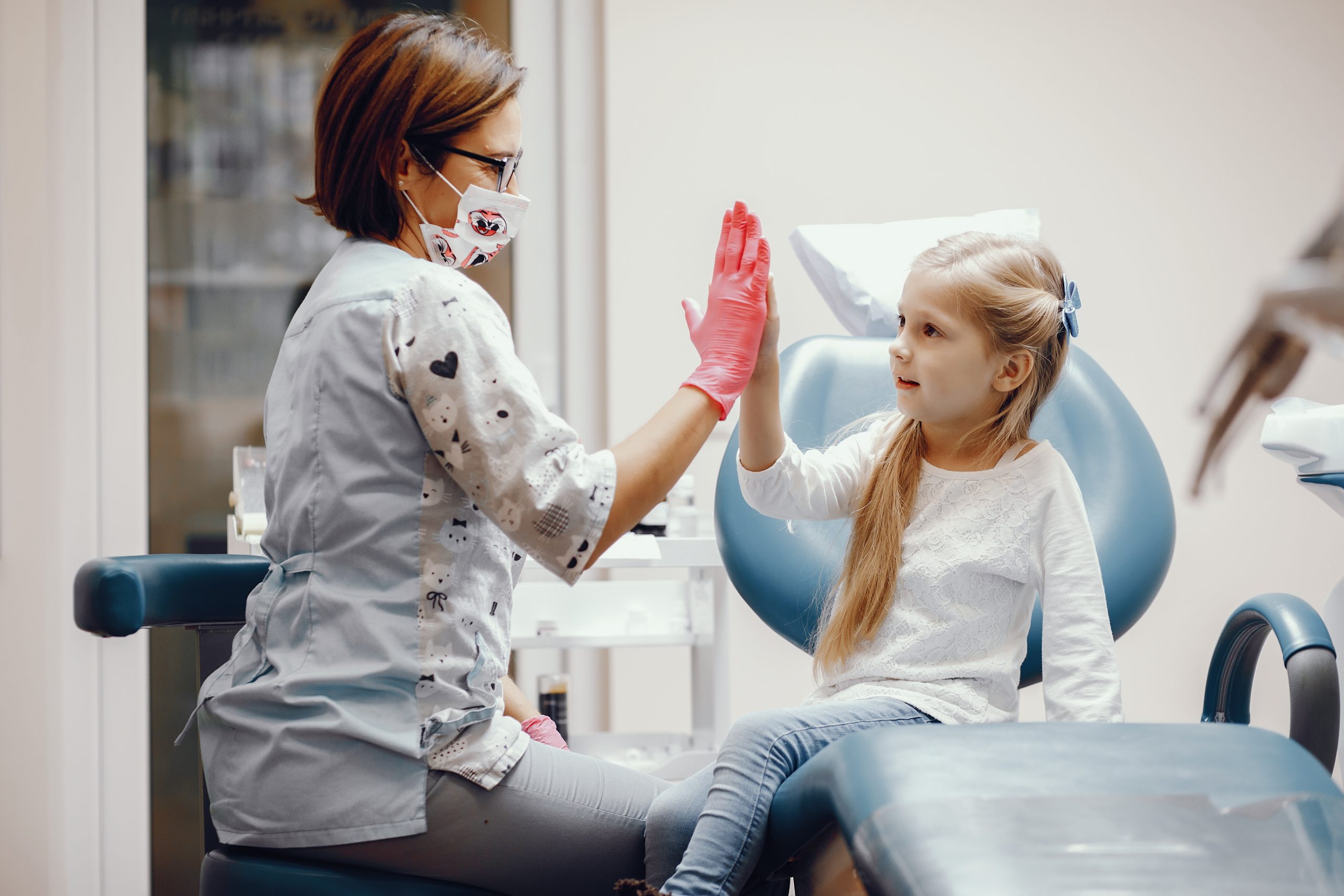
Children should start seeing the dentist before their first birthday. This will get them used to coming in and normalise the experience, which should take away any fear. If they haven’t had the opportunity, it’s not too late – simply get them in as soon as possible. Here’s what to expect once your child gets a little bit older at their smilogy appointment. /*! elementor – v3.15.0 – 02-08-2023 */ .elementor-heading-title{padding:0;margin:0;line-height:1}.elementor-widget-heading .elementor-heading-title[class*=elementor-size-]>a{color:inherit;font-size:inherit;line-height:inherit}.elementor-widget-heading .elementor-heading-title.elementor-size-small{font-size:15px}.elementor-widget-heading .elementor-heading-title.elementor-size-medium{font-size:19px}.elementor-widget-heading .elementor-heading-title.elementor-size-large{font-size:29px}.elementor-widget-heading .elementor-heading-title.elementor-size-xl{font-size:39px}.elementor-widget-heading .elementor-heading-title.elementor-size-xxl{font-size:59px} how should i prepare my child for the dentist? When children start to be aware of what’s happening around them, appointments may go a little differently. The experience can feel new to them (even if they went as a baby), and they may feel a bit reluctant. When making the appointment, try to make sure it’s in the morning. They’re less likely to have used all their energy and be tired and cranky. Approach the whole visit with positivity. There’s no reason for them to feel scared, in fact, it should just be a normal part of their routine. Explain all the benefits of going to the dentist, including having strong, healthy teeth and keeping bad breath away. On the day, reassure them that you’ll stay with them the whole time. Arrive early so they can settle into the smilogy waiting room and sit comfortably waiting with their toys, devices or games. talking to the dentist As the parent, you will be tasked with talking to the dentist (especially if you’re visiting a new one). At smilogy, we make sure to ask about your child’s dental history, about any habits such as sucking their thumb and about the foods they eat. Now is a good time to make the dentist aware of any issues such as medical conditions or anxiety they may have. You may be asked follow up questions based on any previous appointments. your child’s examination Allow your child to be active in their own examination. If they’re old enough, let them answer basic questions the dentist may ask, reassuring them that they’re a trusted adult and it’s safe to talk to them. When it’s time to open wide, let the dentist do what they have to do without interrupting so that your child sits still and pays attention. If there are any issues, the dentist will approach this with you in a sensitive manner ensuring not to scare the child and letting you know what needs to be done next. education and homecare At the appointment, you can ask the dentist to show your child how to do certain things they’re struggling with at home. They may have more insight than you as to how to approach this. The dentist will go over the best brushing techniques and even how to floss. At the end of the appointment, your child should get a fun sticker to show off how awesome they were! book an appointment now Children should see a dentist every six months because their mouths are constantly developing. At smilogy, all of our Australian dentists are trained to offer the best care to children to put your mind and theirs at ease. Find your nearest smilogy clinic today!

Read More

everything you need to know about aligners for teens

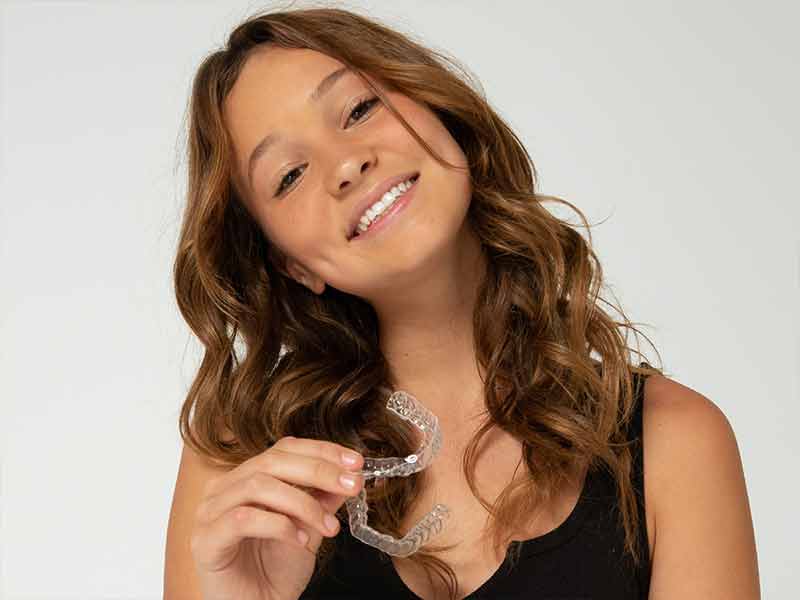
Fashion goes in and out of style but a great smile lasts a lifetime. Our clear aligners for teens allow your parents to invest in your future, ensuring you develop the confidence you deserve. They’re also an affordable choice for parents – they’re not going to break the bank. Always on the go? The smilogy clear aligners have been designed with people like you in mind. We know what it’s like to be busy, so our aligners will never disrupt your life. Clear aligners pop in and out easily whenever needed. You can remove them to eat, or when you’re playing sports. While consistent daily wear of 20 hours or more is needed, our aligners are super comfortable – so you can simply go about your day. Sometimes known as “invisible braces”, clear aligners give you an easier route to straight teeth than your parents were offered back in the day! The steps are simple. We scan, plan and straighten smiles. Australian orthodontists and dentists are still involved every step of the way, but you see them online. We don’t disrupt your life and you’re free to do your thing. Transforming your smile couldn’t be easier. And, since our aligners are so clear, people will barely notice they’re there. Talk to your parents today about booking a scan, or discover more about how our clear aligners work. /*! elementor – v3.15.0 – 02-08-2023 */ .elementor-heading-title{padding:0;margin:0;line-height:1}.elementor-widget-heading .elementor-heading-title[class*=elementor-size-]>a{color:inherit;font-size:inherit;line-height:inherit}.elementor-widget-heading .elementor-heading-title.elementor-size-small{font-size:15px}.elementor-widget-heading .elementor-heading-title.elementor-size-medium{font-size:19px}.elementor-widget-heading .elementor-heading-title.elementor-size-large{font-size:29px}.elementor-widget-heading .elementor-heading-title.elementor-size-xl{font-size:39px}.elementor-widget-heading .elementor-heading-title.elementor-size-xxl{font-size:59px} here’s why teens prefer clear aligners to braces For many teens, fitting in means everything. Thanks to clear aligners, you can transform your smile without drawing attention to yourself. People will wonder how you did it! /*! elementor – v3.15.0 – 02-08-2023 */ .elementor-widget-image{text-align:center}.elementor-widget-image a{display:inline-block}.elementor-widget-image a img[src$=”.svg”]{width:48px}.elementor-widget-image img{vertical-align:middle;display:inline-block} smilogy clear aligners Almost invisible Comfortable and custom-fit Eat whatever you want Easy to take care of Removeable Better oral hygiene Check-ups are online Faster results braces Clunky wires Painful & tend to poke Some foods are off limits Hard to clean Fixed in place Food can get stuck You have to go to the dentist regularly Can be worn for years Please note, while we at smilogy love to help as many people as possible along the way, braces can sometimes be a more suitable option for certain cases. We’ll help you learn what’s best for your smile. benefits of clear aligners So by now, you’ll have figured out that clear aligners = a straighter smile. But do you know about the other amazing benefits? During Treatment Aligners are virtually invisible so most people won’t notice you’re wearing them Easily pop your aligners in and out No food or drink choices are off limits Easily brush your teeth – there are no wires Correct crowding and crookedness No required in-clinic check ups thanks to online monitoring via our scan box Pop in to any of our smilogy clinics to say hello (but only if you want to) Full support from our experienced Australian orthodontists and dentists After Treatment Smile boldly Transformed teeth More confidence Boosted self-esteem Better jaw alignment Fresher breath Healthier gums http://staging.smilogy.com.au/clinic/wp-content/uploads/sites/3/2023/08/Untitled-design-1.mp4 get started Straighter teeth don’t just look great, they can improve your overall health. Get in touch with our team today and find out if you’re a good candidate for our clear aligners.

Read More

have no fear: dental anxiety in kids

Kids can be afraid of lots of different things – one of these is going to the dentist. The Australian Dental Journal suggests that over 10% of children don’t like going, but many of these fears can be easily addressed. We’ve put together a quick guide to help you understand what your child may be afraid of and how to handle the situation with empathy. /*! elementor – v3.15.0 – 02-08-2023 */ .elementor-heading-title{padding:0;margin:0;line-height:1}.elementor-widget-heading .elementor-heading-title[class*=elementor-size-]>a{color:inherit;font-size:inherit;line-height:inherit}.elementor-widget-heading .elementor-heading-title.elementor-size-small{font-size:15px}.elementor-widget-heading .elementor-heading-title.elementor-size-medium{font-size:19px}.elementor-widget-heading .elementor-heading-title.elementor-size-large{font-size:29px}.elementor-widget-heading .elementor-heading-title.elementor-size-xl{font-size:39px}.elementor-widget-heading .elementor-heading-title.elementor-size-xxl{font-size:59px} what are they afraid of? When you understand the causes of your child’s fears, you can get to work on addressing them properly. Common reasons may include: They’ve had negative experiences previously They’re scared of pain or getting hurt They’ve picked up fears from you or someone else they trust They don’t know what to expect Seeing a scary film or hearing negative things about dentists Rumours in the playground Talk to your child to gain more insight so you can support them appropriately. how to deal with your child’s dental anxiety You may not always understand your child’s fears, but their feelings are valid even if they’re misguided. Getting angry at your child won’t solve anything, and will actually make the situation worse to deal with. Just remember, they can’t help the way they’re feeling, but you can help make things easier for them. The earlier you start taking your child to the dentist and acting like it’s totally normal, the better. They can build relationships with the dentist and see there’s nothing to worry about. They may even look forward to going, especially when they find out they’ll get a sticker! If your child has questions, be as open as possible. Give them an overview of what to expect, using positive and non-scary language. For example, don’t talk about drills and injections. Talk about things like how cool it is to have strong teeth and how yummy they thought the toothpaste was last time! Always model behaviour that you want them to copy, so even if you have your own anxieties about visiting, talk about dental-related things in a positive manner. Laying this foundation when they’re young will ensure healthy habits for their future. If fears continue, talk to your dentist discreetly to see if there is any professional advice for your situation. choose a dentist that understands It goes without saying that you’ll want your child to have a dentist that understands their fears. A good dentist knows lots of little tricks to help them relax. Some may use laughing gas (don’t worry, it’s harmless), while others tell jokes (while maintaining professionalism). For some procedures or with particularly nervous children, they may employ other methods such as medication or putting your child to sleep. You’ll always be asked for your consent and just remember, dentists have plenty of medical experience and know how to do everything safely. To book a visit to one of our comfortable and caring smilogy clinics, call us now on 02 8005 4434.

Read More